

Only 21% of wealthy families successfully transfer their wealth to the third generation, according to research by The Williams Group. This startling statistic reveals a critical truth: understanding why generational wealth is important goes far beyond simply accumulating money—it requires a fundamental shift in how families think about financial security, opportunity creation, and legacy building.
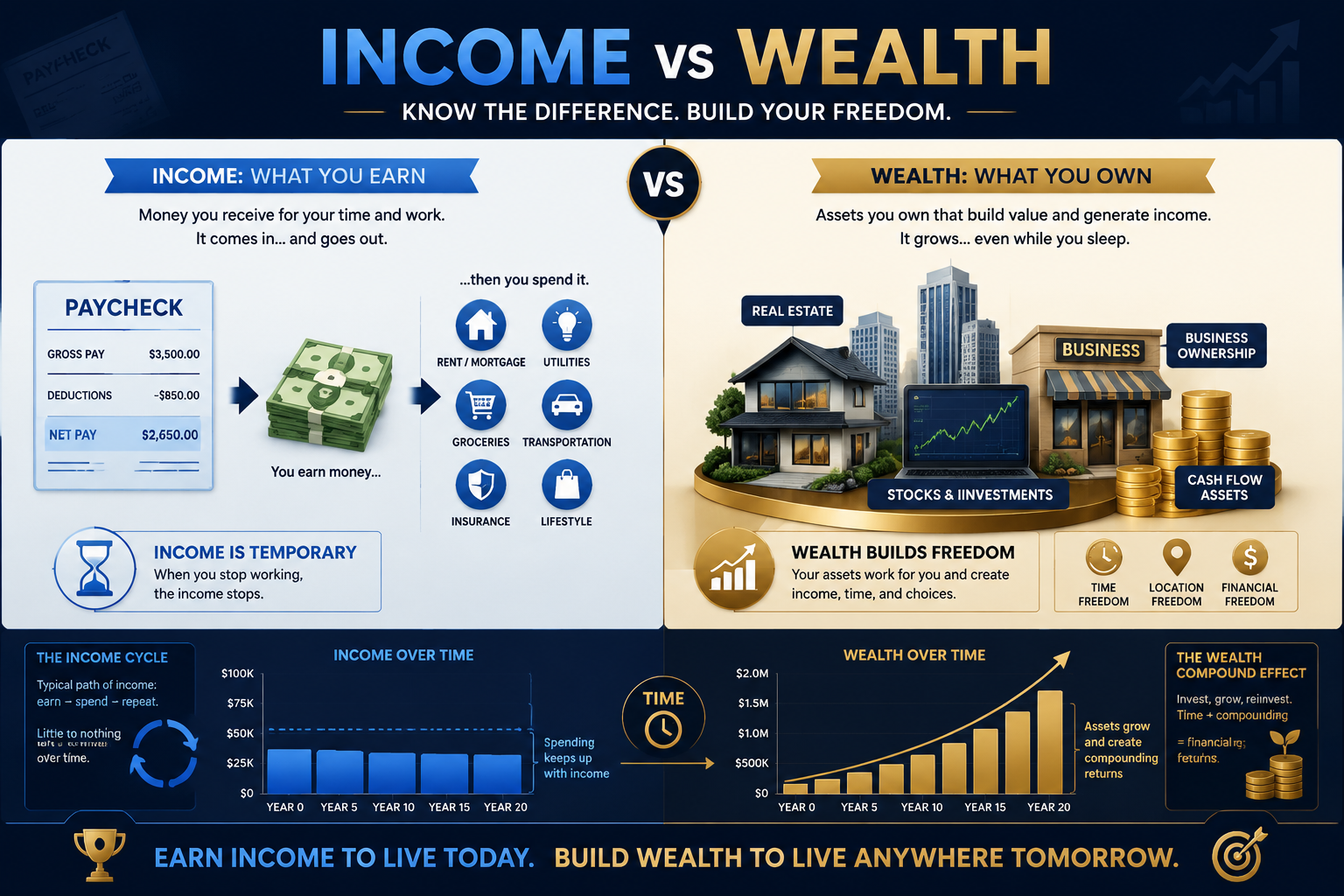
Generational wealth represents the financial assets, knowledge, and opportunities that families pass down through multiple generations. Unlike high income that disappears when paychecks stop, generational wealth creates a foundation that can support family members for decades. In 2026, as economic uncertainty continues to affect millions of families, more people are recognizing that building wealth for future generations isn’t just a luxury for the ultra-rich—it’s a strategic approach to breaking cycles of financial struggle and creating lasting family stability.
Key Takeaways
• Generational wealth provides financial security that extends beyond individual lifetimes, creating safety nets for emergencies and economic downturns
• It breaks cycles of financial struggle by giving future generations a stronger starting position and more opportunities
• Assets matter more than income – wealth comes from owning appreciating assets like real estate, investments, and businesses rather than just earning high salaries
• Financial education is crucial for preserving and growing wealth across generations, as knowledge transfer is as important as asset transfer
• Ordinary families can build generational wealth through consistent saving, smart investing, and long-term thinking, regardless of current income level
What Is Generational Wealth?
Generational wealth refers to financial assets and resources that families successfully transfer from one generation to the next. Unlike regular income that provides for immediate needs, generational wealth creates a foundation of security and opportunity that can benefit multiple generations.
The key difference between income and wealth lies in permanence and growth potential:
- Income = Money earned through work (wages, salaries, business profits)
- Wealth = Assets owned that can appreciate in value over time
Common Assets Passed Down Through Generations
💰 Savings and Cash Reserves
- Emergency funds
- High-yield savings accounts
- Money market accounts
📈 Investment Portfolios
- Stocks and bonds
- Index funds and ETFs
- Retirement accounts (401k, IRA)
🏠 Real Estate Holdings
- Primary residences
- Rental properties
- Commercial real estate
- Undeveloped land
🏢 Family Businesses
- Operating companies
- Franchises
- Professional practices
🧠 Knowledge and Financial Education
- Investment strategies
- Business skills
- Financial literacy
- Professional networks
The power of generational wealth lies in compound growth. When families maintain and grow assets over decades, the mathematical effect of compounding can turn modest beginnings into substantial wealth. For example, $100,000 invested at a 7% annual return becomes over $1.9 million after 45 years.
Understanding how to attract wealth and good fortune often begins with recognizing these fundamental differences between temporary income and lasting wealth creation.
Why Is Generational Wealth Important?
Financial Security for Future Generations
Generational wealth acts as a financial safety net that protects families during economic uncertainty. When unexpected challenges arise—job loss, medical emergencies, or economic recessions—families with generational wealth have resources to maintain stability without falling into debt cycles.
This security extends beyond crisis management. It provides peace of mind that allows family members to make decisions based on opportunity rather than desperation. Children from families with generational wealth experience less financial stress, which research shows correlates with better academic performance, mental health, and long-term life outcomes.
Creating Better Opportunities
🎓 Educational Advantages
Generational wealth enables families to invest in quality education without burdening the next generation with crushing student debt. This might include:
- Private school tuition
- College expenses
- Graduate school funding
- Professional development courses
- Skills training and certifications
🏠 Homeownership Support
Real estate ownership becomes more accessible when families can assist with:
- Down payments
- Closing costs
- Moving expenses
- Property improvements
💼 Business and Career Flexibility
Young adults with family wealth backing can:
- Start businesses with less risk
- Accept lower-paying but valuable internships
- Pursue entrepreneurial ventures
- Take calculated career risks
Breaking Cycles of Financial Struggle
Many families find themselves trapped in survival-based financial patterns:
- Living paycheck to paycheck
- Accumulating high-interest debt
- Making short-term decisions that hurt long-term wealth
- Lacking knowledge about investing and wealth building
Generational wealth interrupts these cycles by providing both financial resources and education. When one generation successfully builds wealth, they can teach the next generation about money management, investing, and long-term thinking—knowledge that becomes as valuable as the assets themselves.
Providing Freedom and Flexibility
Career Choices Without Desperation
People with generational wealth backing can:
- Choose careers based on passion and purpose
- Leave toxic work environments
- Negotiate from positions of strength
- Take time for career transitions
Lifestyle Flexibility
- Travel and experiences
- Geographic mobility
- Time for family and relationships
- Pursuit of creative or philanthropic interests
The importance of consistency for success becomes easier to maintain when financial pressure doesn’t force short-term compromises that derail long-term wealth building strategies.
Building Family Stability
Generational wealth creates multi-generational support systems. Instead of each generation starting from zero, families can build upon previous generations’ progress. This stability affects:
- Family relationships (less stress around money issues)
- Decision-making quality (more time to consider options)
- Risk tolerance (ability to make strategic long-term investments)
- Legacy building (focus on creating value beyond immediate needs)
The Difference Between Wealth and High Income
Why High Earners Can Still Struggle Financially
Many people earning six-figure salaries live paycheck to paycheck due to lifestyle inflation. As income increases, spending often increases proportionally or even faster, leaving little room for wealth building. Common patterns include:
🔴 High-Income Financial Traps:
- Expensive mortgages and car payments
- Private school tuition consuming large income percentages
- Luxury spending that doesn’t build assets
- High tax burdens without strategic planning
- Lack of emergency savings despite high earnings
A doctor earning $300,000 annually might have less wealth than a teacher earning $50,000 who consistently saves and invests 20% of their income over decades.
Why Wealth Is About Ownership
Assets vs. Consumption
| Wealth-Building Purchases | Consumption Purchases |
|---|---|
| Real estate | Luxury cars |
| Investment accounts | Designer clothes |
| Business ownership | Expensive vacations |
| Index funds | Restaurant meals |
| Education/skills | Entertainment |
Wealthy families focus on acquiring appreciating assets rather than impressive consumption. They understand that true wealth comes from owning things that generate income or increase in value over time.
How Generational Wealth Builds Slowly
The Power of Time and Consistency
Building generational wealth requires long-term thinking and consistent habits rather than dramatic financial windfalls. Most wealthy families built their wealth through:
- Consistent saving (even modest amounts)
- Strategic investing over decades
- Reinvesting returns rather than spending them
- Avoiding major financial mistakes
- Teaching financial literacy to the next generation
Mastering how to attract wealth often involves developing the patience and discipline to prioritize long-term wealth building over short-term gratification.
Common Forms of Generational Wealth
Real Estate 🏠
Primary Residences
Homeownership builds equity over time and provides housing security. Families often pass down homes that have appreciated significantly, giving the next generation either:
- A place to live without mortgage payments
- Valuable assets to sell or leverage
Investment Properties
Rental real estate generates ongoing income while building equity. Many wealthy families own multiple properties that provide:
- Monthly rental income
- Tax advantages
- Long-term appreciation
- Inflation protection
Land Ownership
Undeveloped land can appreciate dramatically over decades, especially in growing areas. Some families hold land for generations, benefiting from:
- Population growth
- Infrastructure development
- Zoning changes
- Natural resource discoveries
Investments 📈
Stock Market Portfolios
Long-term stock investments have historically provided strong returns. Families typically focus on:
- Index funds for broad market exposure
- Blue-chip dividend stocks for income
- Growth stocks for appreciation potential
- International diversification
Retirement Accounts
401(k)s, IRAs, and other tax-advantaged accounts compound wealth efficiently:
- Tax-deferred growth
- Employer matching contributions
- Automatic investing through payroll deduction
- Protection from creditors
Alternative Investments
Some families diversify into:
- Private equity
- Real estate investment trusts (REITs)
- Commodities
- Cryptocurrency (small allocations)
Family Businesses 💼
Operating Companies
Many generational wealth stories center around family businesses:
- Restaurants and retail stores
- Professional services (law firms, medical practices)
- Manufacturing companies
- Technology businesses
Franchises
Franchise ownership provides:
- Proven business models
- Ongoing support systems
- Multiple location potential
- Transferable business systems
Financial Education 🧠
Money Management Skills
Teaching children about:
- Budgeting and expense tracking
- Saving and compound interest
- Investment principles
- Risk management
Business Knowledge
Passing down:
- Entrepreneurial skills
- Industry expertise
- Professional networks
- Strategic thinking abilities
Understanding how to build wealth quickly through smart investments becomes family knowledge that benefits multiple generations.
Valuable Skills and Networks 🤝
Professional Connections
Wealthy families often provide access to:
- Business mentors
- Investment opportunities
- Career advancement
- Partnership possibilities
Social Capital
- Alumni networks
- Industry relationships
- Community leadership positions
- Cultural and educational connections
How Generational Wealth Changes Lives
Reduced Student Debt 🎓
Educational Investment vs. Debt
Families with generational wealth can fund education as an investment rather than forcing children into debt. This creates:
- Debt-free graduates who can make career choices based on interest rather than salary requirements
- Advanced degrees without financial barriers
- Study abroad opportunities and enriching experiences
- Focus on learning rather than financial stress during school years
The average college graduate in 2026 carries over $37,000 in student debt. Families with generational wealth eliminate this burden, giving their children a significant head start in adult financial life.
Easier Access to Homeownership 🏠
Breaking the Rental Cycle
Homeownership builds wealth while providing stability, but many young adults struggle with:
- Down payment requirements (typically 10-20% of home price)
- Closing costs and moving expenses
- Credit requirements and debt-to-income ratios
Generational wealth families can assist with:
- Down payment gifts or loans
- Co-signing mortgages to improve terms
- Credit repair guidance and financial planning
- Market timing advice based on experience
Greater Career Freedom 💼
Risk-Taking Ability
With financial backing, young adults can:
- Start businesses with family investment or safety nets
- Accept unpaid internships at prestigious organizations
- Pursue creative careers with uncertain income
- Change career paths without financial devastation
- Negotiate job terms from positions of strength
Geographic Flexibility
Generational wealth enables:
- Moving to high-opportunity cities with expensive living costs
- International work experiences
- Relocation for better career prospects
- Remote work arrangements
Improved Mental and Emotional Stability 🧠
Reduced Financial Stress
Research consistently shows that financial security improves:
- Mental health outcomes
- Relationship stability
- Physical health (less stress-related illness)
- Decision-making quality
- Life satisfaction and happiness
Confidence and Self-Efficacy
People with generational wealth backing often develop:
- Greater willingness to take calculated risks
- Improved negotiation skills
- Long-term thinking abilities
- Leadership confidence
The connection between wealth mindset and abundance becomes self-reinforcing when families successfully transfer both assets and positive money beliefs.
The Role of Financial Education in Generational Wealth
Teaching Children About Money Early 👶
Age-Appropriate Financial Lessons
Ages 3-7: Basic Concepts
- Money has value and purpose
- Saving vs. spending choices
- Simple budgeting with allowances
- Delayed gratification exercises
Ages 8-12: Practical Skills
- Bank account management
- Comparison shopping
- Earning money through chores or small jobs
- Understanding wants vs. needs
Ages 13-17: Advanced Concepts
- Investment basics and compound interest
- Credit and debt management
- College financing strategies
- Part-time job and tax basics
Ages 18+: Real-World Application
- Investment account management
- Real estate and mortgage understanding
- Business and entrepreneurship principles
- Estate planning and wealth transfer
Passing Down Healthy Financial Habits 💡
Modeling Behavior
Children learn more from observing than from lectures. Successful wealth-building families demonstrate:
- Consistent saving habits
- Thoughtful spending decisions
- Long-term investment discipline
- Regular financial planning discussions
- Charitable giving and community responsibility
Family Financial Meetings
Regular discussions about:
- Family financial goals and progress
- Investment performance and strategy
- Major financial decisions
- Economic trends and their impact
- Wealth preservation and growth strategies
Avoiding Wealth Destruction 🚫
The “Shirtsleeves to Shirtsleeves” Problem
The old saying “shirtsleeves to shirtsleeves in three generations” reflects a common pattern:
- First generation builds wealth through hard work and sacrifice
- Second generation maintains wealth but lives more comfortably
- Third generation lacks financial discipline and loses the wealth
Critical Success Factors:
- Financial literacy education for every generation
- Clear communication about family values and expectations
- Gradual responsibility transfer rather than sudden inheritance
- Professional guidance from financial advisors and estate planners
- Regular family meetings about wealth management
Learning how to manifest wealth and abundance includes understanding that sustainable wealth requires both practical skills and the right mindset across generations.
Common Obstacles to Building Generational Wealth
Consumer Debt 💳
High-Interest Debt Traps
Consumer debt creates major barriers to wealth building:
- Credit card debt (average interest rates 18-29%)
- Personal loans for consumption rather than investment
- Auto loans for expensive vehicles beyond actual needs
- Payday loans and other predatory lending
The Debt Cycle Impact:
When families pay high interest on consumer debt, those payments prevent wealth accumulation. A family paying $500 monthly in credit card interest loses $6,000 annually that could be invested for long-term growth.
Breaking Free Strategies:
- Debt consolidation at lower interest rates
- Aggressive payoff strategies (debt snowball or avalanche)
- Lifestyle adjustments to prevent new debt accumulation
- Emergency fund building to avoid future debt needs
Lack of Financial Knowledge 📚
Investment Ignorance Costs
Many families lose wealth-building opportunities due to:
- Fear of stock market investing
- Poor investment choices (high fees, bad timing)
- Lack of diversification understanding
- No retirement planning knowledge
- Tax inefficiency in investment strategies
Common Knowledge Gaps:
- How compound interest works over long periods
- The difference between good debt (mortgages) and bad debt (credit cards)
- Basic investment principles and risk management
- Tax-advantaged account benefits
- Estate planning and wealth transfer strategies
Living Paycheck to Paycheck 💸
The Savings Challenge
Even middle-class families often struggle to save consistently:
- Rising living costs outpacing income growth
- Lifestyle inflation as income increases
- Lack of budgeting systems to track spending
- Emergency expenses that drain savings attempts
- No automatic saving systems in place
Building Saving Habits:
- Start with small, automatic transfers ($25-50 per paycheck)
- Use the “pay yourself first” principle
- Create separate accounts for different goals
- Reduce expenses gradually rather than dramatically
- Track progress to maintain motivation
Short-Term Thinking 🎯
Immediate Gratification Challenges
Modern culture encourages consumption over wealth building:
- Social media pressure to display expensive lifestyles
- Easy credit access that enables overspending
- Marketing messages promoting immediate satisfaction
- Lack of long-term goal visualization
Developing Long-Term Perspective:
- Set specific wealth-building goals with timelines
- Visualize the impact of current choices on future generations
- Celebrate small wins in wealth accumulation
- Connect with others who share long-term wealth goals
Family Financial Trauma 😰
Inherited Money Beliefs
Negative family experiences with money create obstacles:
- Scarcity mindset from poverty experiences
- Fear of investing due to past losses
- Guilt about wealth accumulation
- Lack of confidence in financial decision-making
- Conflicting values about money and success
Healing Financial Trauma:
- Recognize inherited money beliefs and their origins
- Seek financial therapy or counseling when needed
- Educate yourself about healthy money management
- Start small to build confidence with financial decisions
- Focus on the positive impact wealth can have on family and community
Understanding how to build wealth on a low income demonstrates that these obstacles can be overcome regardless of starting financial position.
How Ordinary Families Can Start Building Generational Wealth
Start Saving Consistently 💰
The Power of Small Beginnings
Generational wealth doesn’t require large starting amounts—it requires consistency over time. Even modest savings can grow substantially through compound interest:
Example: $200 Monthly Investment
- 20 years at 7% return = $98,000
- 30 years at 7% return = $245,000
- 40 years at 7% return = $525,000
Automatic Saving Strategies:
- Direct deposit splits – automatically save a percentage of each paycheck
- Round-up programs – save spare change from purchases
- Tax refund investing – invest annual tax refunds rather than spending
- Employer 401(k) matching – always capture free employer contributions
Invest for the Long Term 📈
Index Fund Advantages
For ordinary families, low-cost index funds provide:
- Broad market diversification with single purchases
- Low fees (often under 0.1% annually)
- No stock-picking required – just consistent investing
- Historical strong performance over long periods
- Automatic reinvestment options for compound growth
Popular Index Fund Options:
- Total Stock Market Index (VTI, FZROX)
- S&P 500 Index (VOO, FXAIX)
- International Index (VTIAX, FTIHX)
- Target Date Funds (automatically adjust allocation over time)
Dollar-Cost Averaging
Investing the same amount regularly regardless of market conditions:
- Reduces impact of market volatility
- Eliminates need to time the market
- Creates disciplined investing habits
- Takes advantage of market dips
Purchase Appreciating Assets 🏠
Real Estate Investment Strategies
Primary Residence
- Build equity instead of paying rent
- Benefit from property appreciation over time
- Gain tax advantages (mortgage interest deduction)
- Create housing stability for family
Investment Property Considerations
- Start with single rental property in good neighborhood
- Focus on positive cash flow (rent covers expenses)
- Consider house hacking (live in duplex, rent other unit)
- Research local rental markets and regulations
Real Estate Investment Trusts (REITs)
For families not ready for direct property ownership:
- Invest in real estate through stock market
- Receive dividend income from rental properties
- Gain exposure to commercial real estate
- Maintain liquidity unlike direct property ownership
Protect Wealth With Insurance and Planning 🛡️
Essential Protection Strategies
Life Insurance
- Term life insurance for income replacement during wealth-building years
- Permanent life insurance for estate planning and wealth transfer
- Coverage amounts: 10-12 times annual income for primary earners
Estate Planning Documents
- Will – directs asset distribution and names guardians
- Trust – protects assets and provides tax advantages
- Power of attorney – handles financial decisions if incapacitated
- Healthcare directives – medical decision guidance
Asset Protection
- Adequate liability insurance (auto, homeowner’s, umbrella)
- Proper business structure if self-employed
- Retirement account protection from creditors
- Regular beneficiary updates on all accounts
Teach the Next Generation 👨👩👧👦
Creating Financial Legacy
Open Communication
- Regular family discussions about money goals and progress
- Age-appropriate explanations of family financial strategies
- Involvement in financial decisions as children mature
- Sharing both successes and mistakes as learning opportunities
Practical Experience
- Children’s savings accounts with matching contributions
- Investment accounts for teenagers to learn market basics
- Business opportunities like lawn care or tutoring services
- College financial planning discussions and preparation
Values Transfer
- Emphasize wealth as a tool for security and opportunity, not status
- Teach charitable giving and community responsibility
- Model delayed gratification and long-term thinking
- Connect wealth building to family values and legacy goals
Learning about building wealth from nothing through smart choices shows that any family can begin this journey regardless of their starting point.
Common Myths About Generational Wealth
“You Have to Be Rich to Build Wealth” ❌
The Small Steps Reality
Many people believe wealth building requires large starting amounts, but consistency matters more than size:
Real Examples:
- A janitor who invested $134 per month for 40 years accumulated over $8 million
- Teachers who saved 15% of modest salaries retired as millionaires
- Small business owners who reinvested profits built substantial wealth over decades
Starting Small Strategies:
- Begin with $25-50 monthly investments
- Increase savings by 1% annually
- Invest tax refunds and bonuses
- Use employer 401(k) matching as free money
- Focus on percentage of income, not dollar amounts
“Generational Wealth Is Only About Money” 💭
The Knowledge Component
Successful wealth transfer includes financial education and values:
Non-Financial Assets:
- Financial literacy and money management skills
- Business knowledge and entrepreneurial thinking
- Professional networks and relationship building
- Work ethic and delayed gratification habits
- Risk assessment and decision-making abilities
Values That Preserve Wealth:
- Long-term thinking over immediate gratification
- Education and continuous learning priorities
- Community responsibility and charitable giving
- Family unity and communication skills
- Adaptability and resilience during challenges
“It Takes Multiple Generations to Start” ⏰
The First Generation Impact
One generation can dramatically change a family’s financial trajectory:
Single Generation Transformations:
- Immigrants who built businesses and educated children
- Military families who used benefits for education and home ownership
- Blue-collar workers who invested consistently for 30+ years
- Single parents who prioritized children’s education and financial literacy
Accelerating Factors:
- Education and skill development
- Strategic career choices and advancement
- Consistent saving and investing habits
- Avoiding major financial mistakes
- Teaching children about money from early ages
“Wealth Automatically Lasts Forever” 🔄
The Wealth Preservation Challenge
Without proper planning and education, wealth can disappear quickly:
Common Wealth Destruction Patterns:
- Lifestyle inflation that exceeds wealth growth
- Poor investment decisions or get-rich-quick schemes
- Family conflicts over money and inheritance
- Lack of financial education in younger generations
- Economic changes that affect specific industries or investments
Preservation Strategies:
- Continuous financial education for all family members
- Professional guidance from financial advisors
- Diversified investment strategies
- Regular family communication about wealth management
- Gradual responsibility transfer with mentoring
Understanding the quickest way to build wealth through smart investments helps families avoid myths and focus on proven strategies.
Signs a Family Is Building Generational Wealth Successfully
Financial Indicators 📊
Growing Asset Base
- Net worth increases consistently year over year
- Investment accounts growing through contributions and returns
- Real estate equity building through mortgage payments and appreciation
- Emergency funds that cover 6+ months of expenses
- Debt reduction or strategic use of leverage for asset acquisition
Improved Cash Flow
- Saving rates of 15-20% or higher of gross income
- Investment income beginning to supplement earned income
- Multiple income streams from various sources
- Tax efficiency through strategic planning and account usage
Behavioral Changes 🔄
Long-Term Decision Making
- Family choices prioritize future benefits over immediate gratification
- Investment thinking applied to major purchases (education, housing, vehicles)
- Risk assessment skills improving across family members
- Goal setting with specific timelines and measurable outcomes
Financial Communication
- Regular family meetings about money and financial progress
- Open discussions about financial challenges and opportunities
- Shared values about money, work, and wealth building
- Next generation involvement in age-appropriate financial decisions
Generational Impact 👨👩👧👦
Educational Opportunities
- Reduced student debt for family members pursuing higher education
- Skill development investments in training, certifications, and experiences
- Career flexibility allowing pursuit of passion and purpose over just income
- Entrepreneurial opportunities with family support and backing
Reduced Financial Stress
- Emergency resilience when unexpected expenses or job loss occurs
- Healthcare access without financial barriers
- Housing stability through ownership or family assistance
- Retirement security planning starting at younger ages
Legacy Mindset Development
- Family members thinking about impact on future generations
- Charitable giving and community involvement increasing
- Wealth stewardship rather than just wealth accumulation
- Values alignment between financial choices and family principles
Developing skills in visualization for financial success can help families maintain focus on these long-term indicators of generational wealth building.
The Emotional Impact of Generational Wealth
Confidence and Stability 💪
Psychological Security Benefits
Generational wealth creates emotional stability that extends far beyond financial numbers:
Reduced Anxiety
- Less worry about basic needs (housing, food, healthcare)
- Decreased stress about emergency expenses
- Improved sleep and mental health
- Better decision-making without desperation pressure
Increased Confidence
- Greater willingness to take calculated risks
- Improved negotiation skills in career and business
- Enhanced leadership abilities and self-advocacy
- Stronger sense of personal agency and control
Future Optimism
- Positive outlook about family and personal prospects
- Ability to plan and dream beyond survival needs
- Investment in long-term relationships and community
- Focus on contribution and legacy rather than just security
Reduced Family Stress 👨👩👧👦
Improved Family Relationships
Financial security strengthens family bonds:
Less Money-Related Conflict
- Fewer arguments about spending and budgeting
- Reduced tension during economic uncertainty
- Improved cooperation on financial goals
- Better communication about money and values
Enhanced Family Support
- Ability to help family members during crises
- Investment in family experiences and relationships
- Support for individual family member goals and dreams
- Creation of family traditions and legacy activities
Generational Healing
- Breaking cycles of financial trauma and scarcity thinking
- Modeling healthy money relationships for children
- Creating positive associations with wealth and success
- Building family pride and identity around shared accomplishments
A Sense of Legacy 🌟
Purpose Beyond Self
Generational wealth building creates meaning and purpose:
Stewardship Mindset
- Viewing wealth as responsibility rather than just privilege
- Focus on growing and preserving resources for future generations
- Integration of values and ethics into financial decisions
- Balance between enjoying wealth and protecting it
Community Impact
- Increased charitable giving and community involvement
- Support for causes and organizations that matter to the family
- Mentoring and guidance for others building wealth
- Economic contribution through business ownership and investment
Family Identity and Values
- Shared sense of accomplishment and progress
- Clear family mission and values around money and success
- Stories and traditions that reinforce positive wealth building
- Pride in family financial discipline and achievement
The connection between integrating spirituality and wealth for abundance helps families maintain perspective on the deeper meaning and purpose behind generational wealth building.
Conclusion
Understanding why generational wealth is important reveals its power to transform not just individual lives, but entire family lineages for generations to come. Generational wealth provides far more than financial security—it creates opportunities, breaks cycles of struggle, and gives families the freedom to make decisions based on values and long-term vision rather than immediate survival needs.
The journey to building generational wealth doesn’t require starting with millions or earning six-figure salaries. It requires consistent action, long-term thinking, and commitment to financial education. Whether through regular investing in index funds, building real estate equity, starting family businesses, or simply teaching children healthy money habits, ordinary families can begin creating lasting wealth today.
Key actions to start building generational wealth immediately:
🎯 Begin saving and investing consistently, even if starting with small amounts
📚 Educate yourself and your family about money management and investing principles
🏠 Focus on acquiring appreciating assets rather than impressive consumption
🛡️ Protect your wealth with proper insurance and estate planning
👨👩👧👦 Involve the next generation in age-appropriate financial discussions and decisions
Remember that generational wealth building is a marathon, not a sprint. The financial choices made today—no matter how modest—can positively impact your family for decades to come. Every dollar saved, every investment made, and every financial lesson taught to the next generation contributes to breaking cycles of financial struggle and creating lasting family prosperity.
The families who successfully build generational wealth share one common trait: they started where they were, with what they had, and remained consistent over time. Your family’s generational wealth journey can begin today with a single decision to prioritize long-term wealth building over short-term consumption. The future generations of your family will thank you for taking that first step.